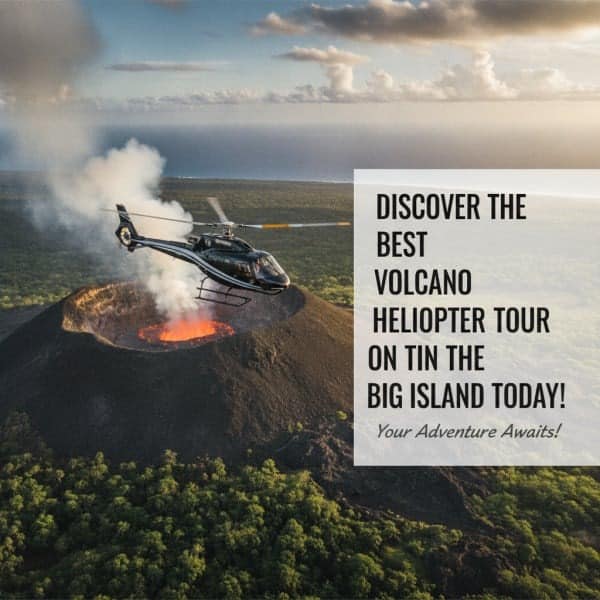

I’ll be honest, I used to think a hawaii volcano helicopter tour was basically a pricey joyride. Then I took one over Kilauea after a rainy week in 2024, and the clouds split for maybe three minutes, tops. I saw steam curling out of the rainforest like the island was breathing, warm and ghosty and weirdly alive. It hit different.
If you’re chasing stunning views and you want the safest, most memorable way to see lava landscapes, craters, and sea cliffs in one shot, here’s what I’ve learned (and yeah, I’ve messed this up before, so you don’t have to).
Why a hawaii volcano helicopter tour is worth it (even if you’re skeptical)
You see the whole story, not just one viewpoint
From the ground, Hawaii Volcanoes National Park is unreal, but it’s also… kind of boxed in. Trees mess with your sightlines, roads herd you to the same pullouts, and the weather can make everything look washed out. Up in the air, you get the full geology lesson in one sweep: older lava sheets, fresh black basalt, collapsed caldera rims, and those surreal fumaroles where heat meets rain-soaked soil and the whole place looks like it’s exhaling.
And yeah, you’ll likely fly over Halemaʻumaʻu Crater and the broader Kilauea caldera area (routes vary). You’re not just staring at a “volcano,” you’re watching accretion in real time, like the island’s still under construction. Ever wonder why that feels so intense?
The light changes everything (I learned this the hard way)
Funny story, I booked a midday flight once because it was cheaper, and I figured, how bad could it be? Big mistake. The glare off the ocean and the haze over the lava fields made my photos look flat and kind of sad, like I’d smeared a fingerprint over the whole scene. When I switched to an early morning ride on a later trip, the contrast was crisp, the shadows carved out the craters, and everything looked sharp instead of blah.
So basically, if you can, go earlier. It’s calmer air a lot of the time too, which matters if you’re even slightly motion-sensitive, and I’m not gonna lie, I am. It works. Yeah, really.
How to pick the best Hawaii volcano helicopter experience
Doors-on vs doors-off: what you’re really choosing
Doors-off is the “Instagram dream,” and I get it, I really do. But here’s the thing, it’s louder, windier, and you can’t casually switch hands on your camera without thinking, because one fumble and you’re panicking. Doors-on is more comfortable, and modern bubble windows can still give you killer visibility if you sit right, plus you won’t feel like your face is getting sandblasted. Catch my drift?
- Choose doors-off if you want unobstructed shots and don’t mind the wind.
- Choose doors-on if you want comfort, less noise, and easier filming.
- If you wear glasses, bring a strap either way (seriously, don’t skip it).
Route details that actually matter
Not all “volcano tours” are equal, and I learned that after I tested two operators on the Big Island and compared the flight maps afterward like a nerd. Some lean hard into waterfalls and coastlines, others prioritize volcanic terrain and crater flyovers. I’d argue you want a balanced route: lava fields, rainforest, and the dramatic coastline, because the contrast is what makes the Big Island feel unreal, like you’re flipping channels between planets. Makes sense?
Ask about typical flight paths, current volcanic conditions, and whether they do small-group seating. Smaller cabins usually mean better sightlines and less jockeying for the “good side,” and if you’ve ever been stuck behind someone’s shoulder for 20 minutes, you know why that matters. Think about it.
Safety and pilot experience (not the sexy part, but crucial)
Look, I’m picky here, and I shouldn’t have to apologize for it. I always check the operator’s safety record, maintenance culture, and how they brief passengers, because I once ignored my gut, and the whole thing felt rushed and sloppy, and I hated that feeling. A solid pre-flight briefing should cover headsets, seatbelts, loose items, weight and balance basics, and what to do if you feel nauseous, plus how they handle turbulence calls and METAR updates. If they rush it, that’s a red flag, full stop.
And yes, pilots matter. The best ones narrate like humans, not robots, and they’ll bank or circle (when allowed) so everyone gets a fair look, and while scrolling, the answer clicked, I’d rather pay a little more for that calm, confident vibe than save $40 and feel sketchy. I was wrong to cheap out once.
My practical tips for getting jaw-dropping views and photos
What to wear and bring
You don’t need fancy gear, but you do need a little strategy. I’ve come to realize most disappointing photos come from dirty lenses and bad angles, not bad cameras, and I wasted way too much time blaming my phone when it was literally just grime. Honestly, it’s almost embarrassing.
- Wear dark clothing to reduce window reflections.
- Skip hats that can fly off, or secure them.
- Bring a microfiber cloth, and clean your phone lens.
- If you’re prone to motion sickness, talk to your doctor about options.
Seating and shooting tricks that work
Want better shots? Put your camera close to the window (not touching it), kill the flash, and shoot in bursts, because vibration is real and you can’t “fix it later” as easily as you think. If you’re using a phone, tap to focus on the crater rim or lava flow texture, not the sky, and if you can, lock exposure so it doesn’t freak out mid-pan. And here’s where it gets interesting, video often looks more real than stills because it captures scale, parallax, and that fluid movement when the coastline slides under you.
Also, don’t watch everything through a screen. I did that once, trying to get the perfect clip, and I regret it, because the best part was the feeling in my chest when the caldera opened up below. Look up. Take it in. And then I realized…
FAQs people always ask me about hawaii volcano helicopter tours
Will I definitely see lava?
Nope. Volcanic activity changes, and sometimes the glow isn’t visible, and that’s just the deal. You’ll still see craters, steam vents, and lava fields, which are honestly breathtaking, even without the red-hot stuff. Ngl, I expected more “movie lava” my first time.
Is a hawaii volcano helicopter tour safe?
With reputable operators, strong maintenance, and experienced pilots, it can be very safe. Still, I could be wrong about any single company, and I can’t promise anything, so do your homework, read incident history if you can, and trust your gut if something feels off. Don’t ignore that little voice.
How long should the flight be?
I like 45 to 60 minutes for a first trip. Shorter can feel rushed, longer can be tiring if you’re anxious, and I’ve watched people go pale around minute 70, so yeah, pacing matters.
Can kids go?
Usually yes, but age and weight rules vary. Call ahead and ask about headset sizing and seating, because a loose headset on a kid is basically chaos, and nobody wants that.
What if the weather is bad?
Flights can be delayed or canceled. It’s annoying, and I didn’t love rearranging my plans last time, but it’s also the right call, and you won’t want to be up there in ugly conditions anyway. Build buffer time into your itinerary, you’ll thank yourself.
Is it better than hiking viewpoints?
Different experiences. Hiking gives intimacy. A hawaii volcano helicopter ride gives scale. If you can do both, you won’t regret it, and tbh, the combo is what makes the island slay, it just does.
If you want the best experience, book a reputable operator, aim for morning light, and go in with flexible expectations about lava. I’m still figuring out the “perfect” route myself, and I’ve changed my mind twice already, but I’m convinced a hawaii volcano helicopter tour is one of those rare travel splurges that actually feels worth it once you’re up there, looking down at that sharp black rock, that lush green canopy, and the ocean flashing silver. You won’t forget it.